
INSIGHTS
Auf dieser Seite stellen wir Ihnen Mitglieder vor, die sich für die IAP engagieren. Darüber hinaus bieten wir Ihnen Einblicke in unsere Vereinsarbeit und veröffentlichen interessante Themen und Umfragen, die zum Nachlesen anregen und zu lebendigen Diskussionen einladen. Schauen Sie vorbei, bleiben Sie informiert und werden Sie Teil unseres aktiven Dialogs! Wir freuen uns auf Ihre Meinung und Ihr Mitwirken und laden Sie herzlich ein, sich auch mit uns auf unserem Linkedin-Account auszutauschen.
Interview mit Dr. Katja – Magali Marwedel, Fachärztin für Pathologie, MIAC Zytopathologie
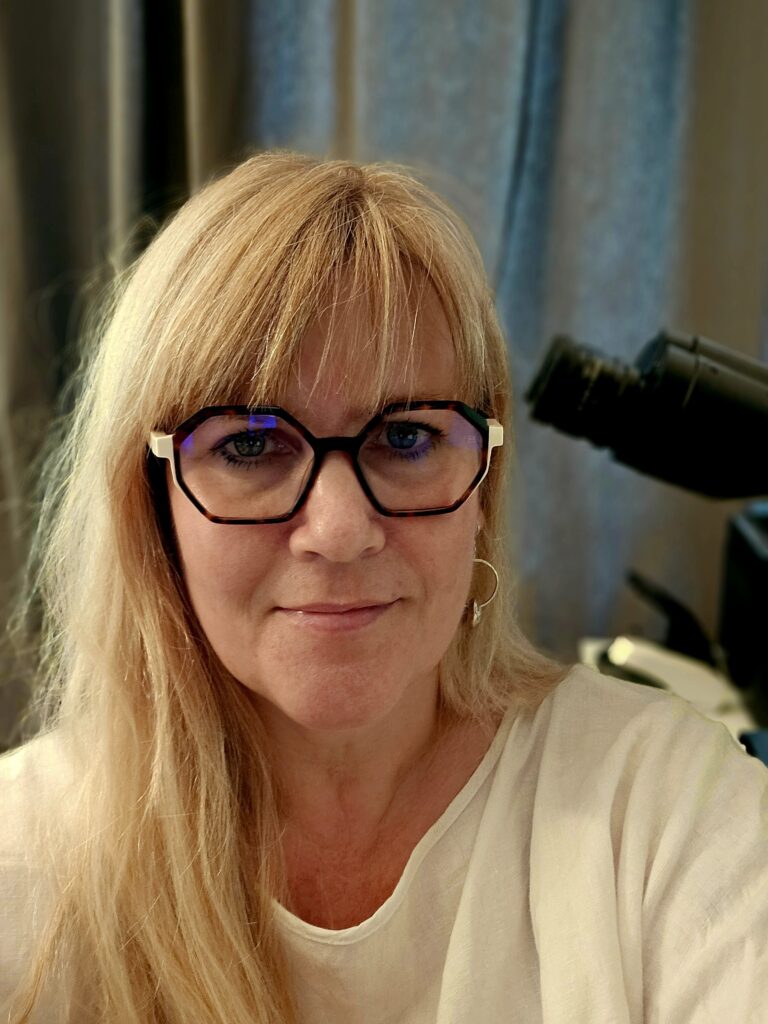
Dr. Katja – Magali Marwedel ist seit 2002 Mitglied der Deutschen Division der International Academy of Pathology (IAP) und unterstützt uns seit vielen Jahren engagiert bei Fortbildungen im Bereich der Zytopathologie. Besonders als Referentin unserer Akademie für Zytopathologie bereichert sie mit ihrem Fachwissen und ihrer Erfahrung diese beliebte Veranstaltungsreihe.
Wir haben Dr. Marwedel gefragt, wie sie ursprünglich zur Pathologie gekommen ist und was sie bis heute an diesem Fachgebiet fasziniert.
Das gesamte Interview können Sie hier nachlesen
/Möchten Sie sich kurz vorstellen?
Ich bin 55 Jahre alt, lebe in Hannover und leite ein zytologisches Labor in Einbeck innerhalb der amedes-Gruppe. Nach ersten Erfahrungen mit der Pathologie im PJ absolvierte ich mein AiP am städtischen Klinikum Frankfurt-Höchst und wechselte anschließend an die Medizinische Hochschule Hannover, wo ich meine Facharztausbildung abschloss. Schon früh fand ich in der Zytologie meinen fachlichen Schwerpunkt und arbeite seit ca. 20 Jahren praktisch ausschließlich in der Zytopathologie. Seit 3 Jahren leite ich das Zytologische Labor in Einbeck, das zur amedes-Gruppe gehört. Privat bin ich verheiratet, habe einen erwachsenen Sohn, reise gern und interessiere mich für Kultur, Geschichte und Sprachen.
Wie sind Sie selbst zur Pathologie gekommen, und welcher Moment hat Sie endgültig für dieses Fach begeistert?
Schon als Kind faszinierte mich das Funktionieren des Lebens – von Embryonalentwicklung und Biochemie bis zum Zusammenspiel von Organen, Geweben und Zellen. Meine erste Obduktion war ein Huhn zusammen mit meiner bäuerlichen Großmutter, als ich ca. 7 Jahre alt war. Ich wollte Mumienforscherin, Tierärztin, Biochemikerin, Affenforscherin oder später Psychiaterin und Journalistin werden. Das Medizinstudium war für mich dann eine Wahl bei der ich am ehesten meine Interessen unter einen Hut bekam und im PJ wählte ich bewusst mein Wahltertial in der Pathologie. Bereits am ersten Tag im Sektionssaal war ich begeistert; Obduktionen und Mikroskopie zeigten mir eindrucksvoll biologische Zusammenhänge. Da wurde klar: Pathologie verbindet für mich wissenschaftliche Neugier, medizinisches Verständnis und diagnostische Präzision.
Heute ergänze ich meine Tätigkeit durch eine Ausbildung zum zertifizierten Coach, die mein Interesse am Verhalten von Menschen bedient und die mir in meiner Führungsrolle hilft, den menschlichen Aspekt unseres Berufs stärker einzubringen.
Welche Missverständnisse über Pathologie begegnen Ihnen am häufigsten – gerade bei Studierenden und Weiterbildungsassistent:innen – und wie räumen Sie damit auf?
Am häufigsten begegnet mir das hartnäckige Bild, Patholog:innen verbrächten ihr Berufsleben vor allem im Keller im Sektionssaal – oft verbunden mit der Verwechslung mit der Rechtsmedizin. Das nervt mich und ich finde es schade, wie wenig die tatsächliche Bedeutung unseres Fachs wahrgenommen wird. Um diese Gespräche zu vermeiden, sage ich deshalb gegenüber Fremden manchmal, dass ich in der Krebsdiagnostik arbeite.
Wenn ich Lust auf Diskussionen habe, erkläre ich, dass die Pathologie ist im klinischen Alltag ständig präsent ist: Sie liefert Diagnosen, Unterstützung bei Therapieentscheidungen, Tumorklassifikationen, molekulare Zusatzuntersuchungen und Prognoseeinschätzungen. Für viele Patientinnen und Patienten hängt der weitere Behandlungsweg entscheidend von pathologischen Befunden ab – nur bleibt dieser Beitrag nach außen oft unsichtbar.
Ich versuche, das sehr konkret zu erklären: wie breit unser Fach ist, wie nah wir an klinischen Fragestellungen arbeiten und wie unmittelbar unsere Diagnosen die Versorgung beeinflussen. Besonders Studierenden hilft das hoffentlich, Pathologie als spannendes Fach und als zentrale Schnittstelle zwischen Klinik, Morphologie, Molekularpathologie und Therapieplanung zu erleben.
Welche Rolle haben Verbände und Netzwerke wie die IAP in Ihrer Karriere gespielt?
Die IAP hat für meine Laufbahn eine sehr wichtige Rolle gespielt. Ohne ihre Angebote wäre ich bei der Vorbereitung auf die Facharztprüfung vermutlich ziemlich aufgeschmissen gewesen. Da ich mitten in der Weiterbildung meinen Sohn bekam, fühlte ich mich beruflich zeitweise isoliert und abgehängt.
Die Weiterbildungsangebote in Bonn und besonders die Präparatekästen haben mir enorm geholfen, mich eigenständig und gründlich vorzubereiten und fachlich Anschluss zu halten. Gefühlt gibt es keinen IAP-Kasten, den ich nicht irgendwann mal ausgeliehen hätte.
Rückblickend hätte ich mir damals Angebote wie die heutige Junior Akademie sehr gewünscht. Solche Netzwerke geben fachliche Orientierung, ermöglichen Austausch und können gerade in unsicheren Phasen sehr stabilisieren.
Sie engagieren sich neben einem sicherlich herausfordernden Arbeitsalltag auch in der Fortbildung – was treibt Sie an?
Mich treibt an, dass ich selbst sehr von Menschen profitiert habe, die mehr wussten als ich und ihre Erfahrung geteilt haben. Das hört ja auch nach fast 30 Jahren im Beruf nicht auf und dafür bin ich sehr dankbar. Wissen weiterzugeben ist ein Geschenk und nicht jeder macht das bereitwillig. Ich möchte das anders handhaben und es macht mir große Freude, wenn ich auf neugierige Menschen treffe, die meine Begeisterung für unser Fach nachvollziehen können.
Von diesem Schatz an Wissen und Erfahrung möchte ich daher etwas weitergeben – fachlich, aber auch im Hinblick darauf, wie man sich in diesem Beruf entwickelt, Entscheidungen trifft und mit Unsicherheiten umgeht.
Außerdem begeistert mich mein Fach nach wie vor, besonders die Zytopathologie. Wenn bei Studierenden oder jüngeren Kolleginnen und Kollegen ein Funke dieser Faszination überspringt, ist das für mich eine große Motivation.
Wie hat sich der Arbeitsalltag einer Patholog:in in den letzten zehn Jahren verändert?
In den letzten zehn Jahren haben Molekularpathologie und interdisziplinärer Austausch stark an Bedeutung gewonnen. Pathologie ist heute noch mehr Schnittstellenfach zwischen Morphologie, molekularer Diagnostik, Klinik, Therapieplanung und digitalen Prozessen. Befunde werden komplexer, Fragestellungen differenzierter, Erwartungen an Geschwindigkeit und Präzision höher.
Auch Digitalisierung prägt den Alltag – von Befunderstellung bis Fallorganisation. In der Zytologie ist digitale Zytologie inzwischen fester Bestandteil. Das Mikroskop bleibt zentral, ist aber längst nicht mehr das einzige Werkzeug.
Persönlich verstehe ich mich heute stärker als Dienstleisterin und arbeite kundenorientierter. In meiner Führungsrolle kommen neben Diagnostik auch Vertrieb, Marketing, Personalführung und Strategie hinzu. Das macht den Arbeitsalltag abwechslungsreich und zeigt, dass Pathologie heute weit mehr ist als Mikroskopie.
Als beruflich immer engagiert gewesene Frau freut es mich sehr zu sehen, dass nicht nur die Medizin insgesamt, sondern auch die Pathologie zunehmend weiblicher werden. Ich habe selbst erlebt, wie schwierig es sein kann, nicht nur den beruflichen Weg, sondern auch die Familie im Blick zu behalten und habe erlebt, dass die Kompromisse, die erwartet werden, häufig immer noch zu Lasten der Frauen gehen. Beruf und Familie sind auch heute noch nicht immer leicht vereinbar – umso mehr hoffe ich, dass es für die Generation nach mir einfacher wird. Und es motiviert mich, immer mehr Frauen in Führungspositionen zu sehen.
Welche Skills neben Fachwissen werden Ihrer Meinung nach für die nächste Generation von Patholog:innen entscheidend sein?
Für die nächste Generation wird vor allem Flexibilität entscheidend sein – im Denken, Arbeiten und Selbstverständnis des Fachs. Man muss über den Tellerrand schauen, sich vernetzen und neue Entwicklungen, besonders digitale, als Teil der eigenen beruflichen Realität annehmen.
Wer ausschließlich analog arbeiten und Befunde weiter auf Band diktieren möchte, wird es künftig schwer haben. Digitalisierung, strukturierte Prozesse, molekulare Diagnostik und interdisziplinäre Kommunikation werden selbstverständlich. Dafür braucht es Offenheit, Lernbereitschaft und die Fähigkeit, sich immer wieder auf Neues einzulassen.
Auch die Struktur der Pathologie verändert sich: Kleine Allrounder-Pathologien werden seltener, Spezialisierung wird wichtiger. Entscheidend sind daher nicht nur fachliche Exzellenz und technisches Verständnis, sondern auch Teamfähigkeit, Kommunikationsstärke und gemeinsame Verantwortungsbereitschaft.
Welchen Rat geben Sie angehenden Patholog:innen?
Mein Rat ist eine Botschaft meines ersten Oberarztes im AiP, Horst Eck, die er mir während der Fallabnahme eines sehr seltenen Tumors mal mitgegeben hat: „Es gibt nichts, was es nicht gibt. Denken Sie immer daran, auch die unwahrscheinlichen Dinge in Betracht zu ziehen und betrachten sie Dinge immer von allen Seiten.“
Die Botschaft hat mich in Diagnostik, Arbeit und Blick auf Menschen geprägt. Sie erinnert mich daran, offen zu bleiben, nicht vorschnell zu urteilen und auch Unerwartetes in Betracht zu ziehen, denn Wahrheit setzt sich meist aus vielen Bausteinen zusammen. Für mich zählt dabei nicht nur, was ich tue, sondern auch wie ich es tue: mit welcher Haltung, welchem Anspruch und ob ich dazu stehen kann. Ein Verhalten, das zu meinen Werten passt, ist mir als Diagnostikerin und Chefin sehr wichtig.
Außerdem gelingen die meisten Dinge in einem guten Team besser als allein. Deshalb rate ich angehenden Patholog:innen, Menschen zu suchen, mit denen sie kollegial, auf Augenhöhe und gern zusammenarbeiten. Das ist oft wichtiger als Renommee oder der erhoffte Karrieresprung. Am Ende wird auch in beruflicher Hinsicht vielleicht nicht so sehr zählen, was wir erreicht haben, sondern wie wir es getan haben und auch, wie es für andere war, Wege mit uns zusammen zu gehen.
Interview mit Prof. Arndt Hartmann, Vorstandsmitglied und Mitglied in der Fortbildungskommission der IAP
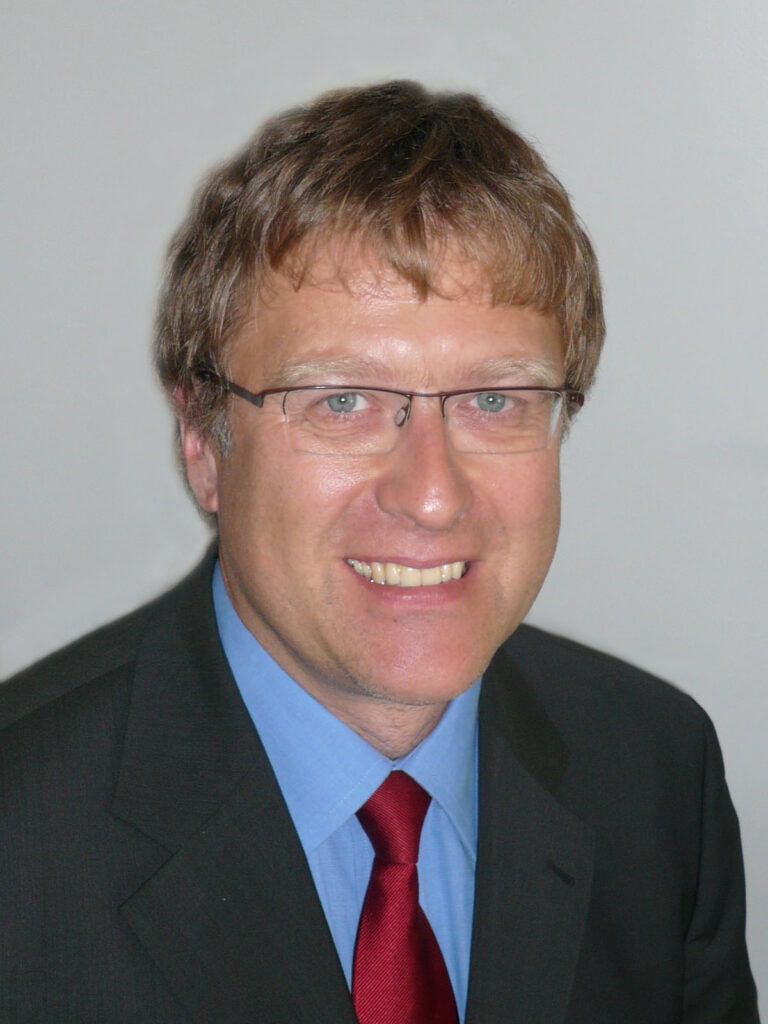
Prof. Arndt Hartmann ist seit 2007 Direktor des Pathologischen Instituts der Friedrich-Alexander-Universität Erlangen-Nürnberg (FAU). Seit Juni 1997 ist er Mitglied der Deutschen Division der Internationalen Akademie für Pathologie (IAP) und engagiert sich seit 2012 aktiv in der Fortbildungskommission bei der Planung unserer Fortbildungen. Zwischen 2019 und 2021 hatte Prof. Hartmann das Amt des 19. Präsidenten der Deutschen Division der IAP inne und organisierte zahlreiche Fortbildungsveranstaltungen. In einem Interview beantwortete er uns spannende Fragen rund um die Pathologie und gibt interessante Einblicke in seine langjährige Erfahrung und sein Engagement für die medizinische Weiterbildung.
Das gesamte Interview können Sie hier nachlesen
/Prof. Arndt, Hartmann, seit 2007 Direktor, Pathologisches Institut, Friedrich-Alexander-Universität Erlangen-Nürnberg (FAU)
- Forschungsschwerpunkte: Pathologie, Molekularpathologie, Tumore bei Niere und Harnblase, prädiktive Molekularpathologie, Immunpathologie
Seit Juni 1997 Mitglied in der Deutschen Division der IAP. - Seit 2012 Mitglied der Fortbildung – und Programmkommission der Deutschen Division der IAP
- 19. Präsident der Deutschen Division der IAP (Amtszeit 2019 – 2021)
Das erste Tutorial habe ich am 25. Juni 2005 zum Thema Pathologie familiärer Tumorsyndrome bei der IAP gehalten – bis heute sind 53 Veranstaltungen (Tutorials, Symposien, Juniorakademien, sonstige Seminare) dazugekommen.
- Wie sind Sie Patholog:in geworden?
Ich bin zu meiner Doktorarbeit während des Medizinstudiums in Jena erstmals in die Pathologie gekommen. Zunächst fand ich Pathologie sehr interessant wollte aber eigentlich Onkologe werden. Direkt nach dem Studium habe ich dann an der Mayo Clinic in Rochester in den USA molekularpathologischen Untersuchungen beim Mammakarzinom durchgeführt und erstmals gesehen, wie wichtig der Pathologe für die Diagnostik von Tumorerkrankungen ist und wie spannend es ist direkt an den Gewebeproben nach den molekularen Ursachen der Tumorerkrankung zu fahnden. Zurück in der Klinik bin ich dann sehr schnell in die Pathologie gewechselt und hatte das Glück in Regensburg in Prof. Ferdinand Hofstädter einen großartigen Lehrer zu haben.
- Was fasziniert Sie an Ihrem Beruf am meisten?
Die Pathologie ist immer noch das Fach in der Medizin wo sich Erkenntnisse über die Grundlagen der Entstehung von Erkrankungen in einem Beitrag zur Diagnostik und insbesondere zunehmend auch Therapieprädiktion für unsere wiederspiegeln. Jeden Tag sehen wir dabei Fälle, die neu und spannend sind. Insbesondere bei der Diagnostik von Tumorerkrankungen spielen wir Pathologen heute eine zentrale Rolle für eine immer zielgenauere Therapie der Patienten. Aus den morphologischen Befunden unter dem Mikroskop ergeben sich dabei neue spannende Forschungsthemen. Dazu kommt, dass es faszinierend ist wie sich die molekularen Veränderungen von Tumoren in der Morphologie widerspiegeln.
- Was hat Sie ursprünglich dazu bewegt, sich als Referent für die IAP zu engagieren?
Die IAP ist eine ideale Plattform für die Aus- und Weiterbildung im Fach Pathologie, wo es ja darauf ankommt das gesamte Spektrum der Erkrankungen zu kennen und eben auch viele, auch seltenere Fälle gesehen zu haben. Das habe ich in der Facharztausbildung kennengelernt wo ich wesentlich mit Seminaren und Fallserien der IAP gelernt habe. Eine Spezialisierung auf spezifische diagnostische Themen ist dabei auch in Deutschland wichtig, wo im Gegensatz zu anderen Ländern ja viele Pathologen noch als „Generalisten“ das gesamte Spektrum des Faches abdecken. Hier einen Beitrag zur Weiterbildung im Bereich der Uropathologie zu leisten war mir ein großes Anliegen. Auch als Referent lernt man dabei im Austausch mit den Kollegen bei der IAP sehr viel.
- Welches Erlebnis während Ihrer Referenten-Tätigkeit hat Sie am meisten berührt oder überrascht?
Es kommt immer wieder vor das mich Kollegen nach dem Seminar ansprechen und sagen dass sie genauso einen Fall der gerade besprochen wurde, gerade gesehen haben und jetzt die Diagnose besser einordnen können. Und dass dann Fälle zugesandt werden, die man auch als Spezialist für einen bestimmten Tumor so noch nie gesehen hat. Von diesem Austausch lebt das Fach und so entstehen auch Forschungsprojekte die neue Tumorentitäten definieren können und uns helfen unsere Patienten besser zu behandeln.
- Welchen Tipp haben Sie für angehende Patholog:innen?
Die Pathologie ist ein faszinierendes Fach und Pathologen werden auch in Zukunft als „Lotsen der Therapie“ gebraucht. Die Kombination einer zunehmenden molekularen Diagnostik von Erkrankungen und des Einzugs der digitalen Pathologie in unsere Institute mit Entwicklung zahlreicher KI-gestützter diagnostischer Assistenzsysteme bietet eine große Chance für angehende Patholog*innen die Umgestaltung unseres Faches voranzutreiben.
Grundlage bleibt aber immer die Morphologie, so dass die IAP insbesondere in der Ausbildung zum Pathologen eine große Chance bietet.
Vladimir Totovic – Stiftung – Gesichter hinter Ihrer Spende!
Interview mit Valeriia Kolotusha, Ukraine
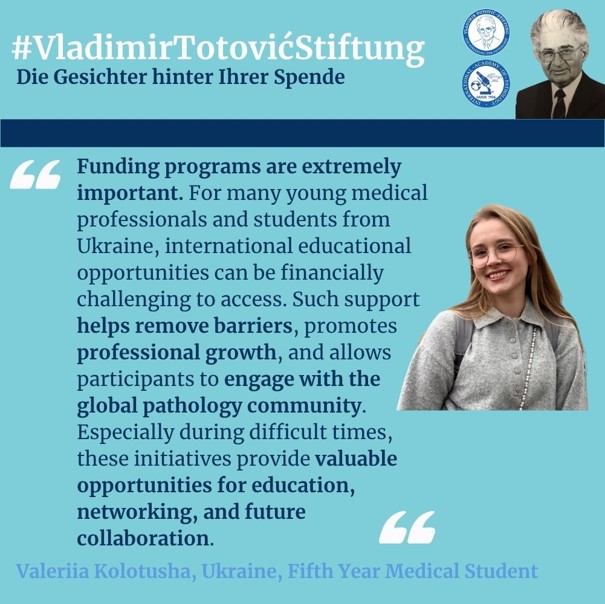
Valeriia Kolotusha aus der Ukraine hat über die Vladimir Totovic – Stiftung ein Stipendium zur Teilnahme an der 16th International Junior Academy in Padua erhalten.
Wir haben ihr ein paar Fragen zu ihren Zielen und der Wirkung der Förderung gestellt.
Das komplette Interview können Sie hier nachlesen
/Why did you become interested in pathology, and what fascinates you about this field?
My interest in pathology began during medical school when I realized that pathology is the foundation of modern medicine. It connects basic science with clinical decision-making and helps explain the mechanisms behind diseases. What fascinates me most is that pathologists play a crucial role in patient care by providing accurate diagnoses that guide treatment. I am particularly interested in oncologic pathology because of its direct impact on personalized medicine and patient outcomes.
What is a typical day like for a pathologist in Ukraine? How does the training program work?
As I am currently a fifth-year medical student, I am not yet in residency training. However, through my academic activities and interactions with practicing pathologists, I have learned that a typical day involves examining tissue samples, reviewing microscopic slides, discussing complex cases with colleagues, and participating in multidisciplinary team meetings. In Ukraine, pathology training combines practical diagnostic work with continuous theoretical education and professional development. Despite the challenges faced by the healthcare system, Ukrainian pathologists remain highly dedicated to maintaining professional standards and improving diagnostic quality.
How did you first learn about the foundation and its funding opportunities?
I first learned about from my pathology professor at university. I was impressed by its commitment to supporting young professionals and providing access to international educational opportunities. The funding programs appeared to be an excellent chance to gain knowledge, build international connections, and contribute to the development of pathology in Ukraine.
How has participating in the International Junior Academy changed your work?
Participating in the International Junior Academy has significantly broadened my perspective on pathology. It has allowed me to learn from leading experts, become familiar with international standards, and gain insights into different healthcare systems. The program has strengthened my motivation to pursue a career in pathology and has helped me develop a more global view of the field. It has also improved my confidence in communicating and collaborating with colleagues from different countries.
In addition to sharing knowledge, we also want to encourage interaction among participants from different countries. Have we succeeded in doing so?
Absolutely. One of the most valuable aspects of the program has been the opportunity to interact with participants from various countries and backgrounds. These exchanges have provided not only educational benefits but also cultural and professional insights. I believe the program has successfully created an environment where participants can build lasting international relationships and learn from each other’s experiences.
How important are these funding programs for you and for your colleagues, particularly those from Ukraine?
These funding programs are extremely important. For many young medical professionals and students from Ukraine, international educational opportunities can be financially challenging to access. Such support helps remove barriers, promotes professional growth, and allows participants to engage with the global pathology community. Especially during difficult times, these initiatives provide valuable opportunities for education, networking, and future collaboration.
What advice would you give to other young colleagues who are just starting their training in pathology?
I would encourage them to stay curious and never stop learning. Pathology is a field that requires both scientific knowledge and attention to detail. It is important to build a strong foundation in basic sciences, actively seek mentorship, participate in educational activities, and engage with international professional communities. Most importantly, remember that behind every slide and diagnosis there is a patient whose care depends on your work.
How do you assess the role of social media in the training of pathologists in your country?
Social media has become an increasingly valuable educational tool for pathology trainees and young professionals in Ukraine. Platforms such as X (formerly Twitter), LinkedIn, and specialized pathology groups provide access to educational cases, expert discussions, webinars, and international networking opportunities. While social media should never replace formal training, it serves as an excellent supplement that helps pathologists stay informed about new developments and connect with colleagues worldwide.
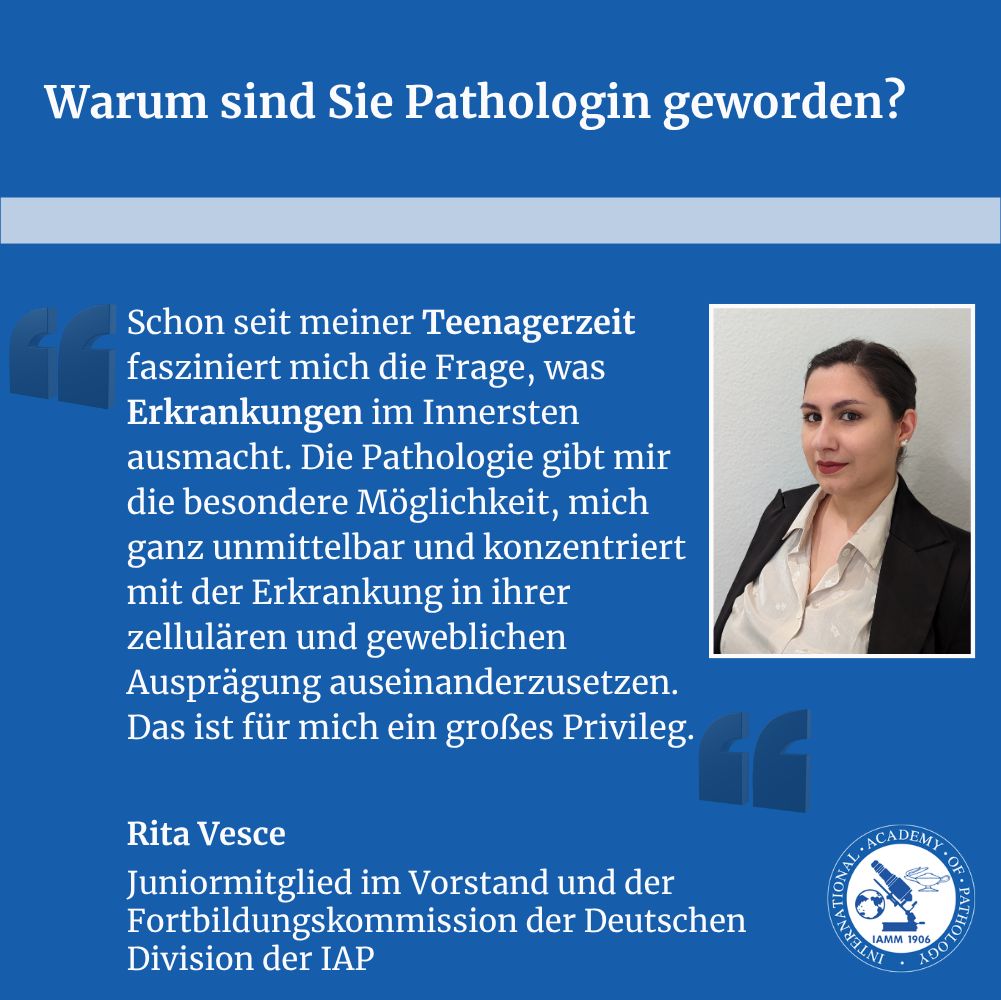
Ich habe mich sehr gefreut, in der Reihe „Warum sind Sie Patholog:in geworden?“ der Deutschen Division der IAP meine persönliche Perspektive teilen zu dürfen.
Und ich würde mich freuen, wenn viele weitere Stimmen dazukommen: Was hat Sie zur Pathologie gebracht?
Wer Lust hat, kann sich gerne mit einer kurzen Nachricht an die Deutsche Division der IAP wenden!
Interview mit Prof. Esposito, Präsidentin der Deutschen IAP
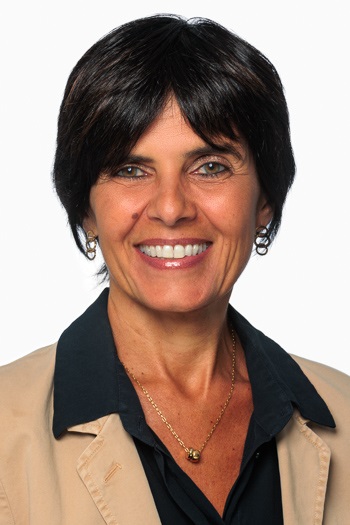
Heute haben wir ein Interview mit Prof. Irene Esposito, Direktorin des Instituts für Pathologie an der Heinrich Heine Universität Düsseldorf geführt. Sie ist seit 2017 Mitglied der Fortbildungskommission und hat von 2019 bis 2023 den Vorstand als Beisitzerin unterstützt. 2023 wurde sie zur designierten Präsidentin gewählt und ist seit Februar 2025 amtierende Präsidentin der Deutschen Division der IAP. Seit vielen Jahren gibt sie ihr Wissen und ihre Expertise in zahlreichen Tutorials und Seminaren sowie als Referentin der Juniorakademie weiter.
Das ganze Interview können Sie hier nachlesen
/ Zum Einstieg: Möchten Sie sich kurz vorstellen?
Ja, sehr gerne. Mein Name ist Irene Esposito. Ich bin Direktorin des Instituts für Pathologie am Universitätsklinikum Düsseldorf und Präsidentin der Deutschen Division der Internationalen Akademie für Pathologie.
Wie sind Sie zur Pathologie gekommen – und was hat Sie damals besonders daran gereizt?
Ich habe bereits sehr früh während des Medizinstudiums beschlossen, Pathologin zu werden. Das war direkt zu Beginn der Pathologie-Vorlesungen im 7. Semester, als ich die ganze Breite des Fachs verstanden habe und darin die Möglichkeit gesehen habe, Krankheiten unmittelbar zu sehen, gewissermaßen „anzufassen“ und dadurch wirklich zu verstehen. Für mich war die Pathologie außerdem das ideale Fach, um die ärztliche Tätigkeit mit der onkologischen Forschung zu verbinden, die mich schon immer fasziniert hat.
Was begeistert Sie heute, nach all den Jahren, noch immer an Ihrem Beruf?
Dass ich jeden Tag in der Routinediagnostik etwas Neues lernen kann. Außerdem entstehen aus der Betrachtung der Morphologie immer wieder neue Ideen für die Forschung. Genau diese Verbindung von Diagnostik, Wissenschaft und kontinuierlichem Lernen macht die Pathologie für mich bis heute so faszinierend.
Wenn Sie in die Zukunft blicken, welche Herausforderungen, aber auch welche Chancen, sehen Sie für die Pathologie?
Die größte Herausforderung ist sicherlich der Fachkräftemangel, der die akademische Pathologie stark belastet. Gleichzeitig liegt aber eine enorme Chance in der bereits stattfindenden Digitalisierung. Die Pathologie verbindet heute klassische Morphologie mit Digitalisierung, KI und Präzisionsmedizin – genau das macht das Fach auch für die Zukunft besonders spannend. Diese Entwicklungen werden uns helfen, Arbeitsabläufe effizienter zu gestalten und die Pathologie noch stärker mit den Technologien der Zukunft zu verknüpfen.
Was braucht es aus Ihrer Sicht, um mehr junge Menschen für die Pathologie zu begeistern und sie langfristig im Fach zu halten?
Ich glaube, dass viele junge Menschen die Pathologie zunächst gar nicht richtig kennenlernen. Oft merkt man erst im direkten Kontakt mit dem Fach, wie zentral unsere Rolle für Diagnose, Therapie und Prävention eigentlich ist. Die Modernisierung der Pathologie – insbesondere durch Digitalisierung sowie die Anwendung und Entwicklung pathologiespezifischer KI-Algorithmen – wird dabei eine wichtige Rolle spielen. Sie kann nicht nur helfen, den Arbeitsalltag besser zu strukturieren und die Arbeitsbedingungen attraktiver zu gestalten, sondern auch das Interesse der jüngeren Generationen neu zu wecken. Gleichzeitig bleibt die Pathologie ein Fach mit einer enormen diagnostischen und wissenschaftlichen Tiefe, das sehr viele Entwicklungsmöglichkeiten bietet.
Welchen Rat würden Sie jungen Menschen geben, die überlegen, in die Pathologie zu gehen?
Mein Rat ist, sich die Pathologie möglichst früh genauer anzuschauen – beispielsweise im Rahmen eines Praktikums, einer Hospitation oder eines freiwilligen wissenschaftlichen Jahres, wie es an einigen Universitäten, darunter auch an der Heinrich-Heine-Universität Düsseldorf, angeboten wird.
Wann sind Sie der IAP beigetreten – und was hat Sie damals dazu bewegt?
Die IAP bietet durch das Engagement zahlreicher Expertinnen und Experten einige der besten Fortbildungskurse und Seminare, die man im deutschsprachigen Raum finden kann. Besonders faszinierend fand ich außerdem die Möglichkeit, Kolleginnen und Kollegen persönlich kennenzulernen, deren Namen man zuvor nur aus Lehrbüchern oder wissenschaftlichen Publikationen kannte. Dieser direkte fachliche Austausch hat mich immer sehr begeistert.
Und zum Abschluss: Welche Schwerpunkte möchten Sie während Ihrer Präsidentschaft bei der IAP setzen?
Meine Schwerpunkte liegen in der Erweiterung des Angebots an Seminaren und Kursen – sowohl in Präsenz als auch in hybriden oder reinen Online-Formaten –, die Pathologinnen und Pathologen über die gesamte berufliche Laufbahn hinweg begleiten, vom Beginn der Facharztausbildung bis zum Ende der Karriere.
Ein weiterer Schwerpunkt ist die Diversität, verstanden zum Beispiel als ein noch breiteres Spektrum an Tutorinnen und Tutoren: sowohl etablierte Expertinnen und Experten als auch jüngere Kolleginnen und Kollegen, die sich bereits eine besondere fachliche Expertise aufgebaut haben und dadurch ihre Sichtbarkeit weiter stärken können.
Ein dritter Schwerpunkt ist die weitere Internationalisierung. Ich möchte die Zusammenarbeit mit den internationalen Divisionen intensivieren, um den wissenschaftlichen Austausch weiter auszubauen und neue Perspektiven für gemeinsame Fortbildungs- und Forschungsinitiativen zu schaffen.
Vladimir Totovic – Stiftung – Gesichter hinter Ihrer Spende!
Interview mit Dr. Evode Mbabazi
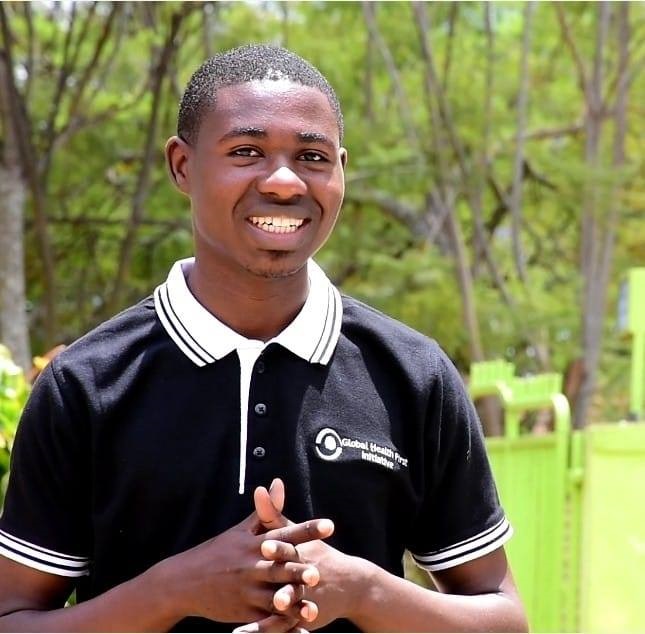
Evode Mbabazi, MD, MMedC
Anatomical Pathology, University of Rwanda
„If you want something you’ve never had, you must be willing to do something you’ve never done.“ Thomas Jefferson.
Dr. Mbabazi hat über die Vladimir-Totovic-Stiftung ein Reisestipendium zur Teilnahme an der 15th International Junior Academy in Bordeaux erhalten. Derzeit absolviert er ein dreimonatiges Forschungsstipendium bei Prof. Philipp Ströbel in Göttingen.
Wir haben ihm einige Fragen zu seinem Werdegang, seinen Zielen und der Wirkung der Förderungen gestellt.
weiterlesen
/• Why did you become a pathologist, and what fascinates you about this field?
I decided to become a pathologist because I wanted to contribute to diagnostic medicine in Rwanda, which currently has fewer than 20 pathologists serving a population of around 14 million people. Without an accurate diagnosis, clinicians often struggle to provide the most effective treatment, which highlights the critical role pathology plays in patient care and outcomes. And I am fascinated by how a diagnosis made under the microscope can directly influence treatment decisions and improve patients’ lives.
• What is a typical day like for a pathologist in Rwanda? How does the training program work?
A typical day involves a variety of scheduled activities, including attending the grossing station to take representative sections from tissue samples, performing fine needle aspirations for patients with lumps, microscopic review of histological slides to make diagnoses, discussing cases with clinicians during tumor boards, and participating in teaching activities. The training program is highly practical and hands-on, although we often work with limited resources.
• How did you first learn about the foundation and its funding opportunities?
I first learned about the foundation through a professional colleague who had previously been supported by the foundation. I learned about its mission of promoting pathology through research and education, and decided to apply for the Vladimir Totović travel grant which I was later awarded to attend the 15th International Junior Academy held in Bordeaux, France
• How has participating in the International Junior Academy changed your work?
At the International Junior Academy, I had the opportunity to meet renowned pathologists from different parts of the world, mainly from developed European countries. Through these interactions, I learned best practices in diagnosis, which expanded my professional perspective, strengthened my diagnostic skills, and exposed me to innovative approaches that I can apply in my daily practice to improve patient outcomes.
• In addition to sharing knowledge, we also want to encourage interaction among participants from different countries. Have we succeeded in doing so?
Absolutely. The program created a welcoming environment for collaboration and exchange, and it allowed participants from different countries to build lasting professional and personal connections.
• You are currently in Göttingen on a 3-month research fellowship with Prof. Ströbel to learn more about digital pathology. How can you integrate these new insights into your daily work after your return and share this knowledge with your colleagues?
In addition to the travel grant, I was also awarded the foundation’s Research Fellowship grant to help actualize my long-term goal of introducing digital pathology in Rwanda. I am truly grateful to the foundation for its significant contribution to the success of my professional career. This fellowship has provided me with valuable exposure to digital pathology and modern diagnostic workflows. I have had the opportunity to learn from outstanding professors, trainees, and assistants at the Institute of Pathology, which is fully digitalized. After returning home, I hope to share this knowledge through the online platform we are building, (www.pathorwanda.com), as well as through teaching sessions, collaborative discussions, and the gradual implementation of digital approaches in our practice
• How important are these funding programs for you and for your colleagues, particularly those from Africa?
These funding programs are extremely important because they provide access to advanced training, international mentorship, and technologies that are often difficult to access in my country and many other African institutions. For example, back home we do not routinely perform high-end molecular pathology techniques such as sequencing. Therefore, when someone like me receives an opportunity through the foundation’s funding programs to train at advanced institutions like the University Medical Center Göttingen, it becomes a life-changing experience not only for the individual recipient but also for the entire home institution. Such exposure helps shift our approach from relying mainly on morphological diagnosis to integrating molecular-level understanding of patients’ conditions, ultimately improving patient care.
• What advice would you give to young colleagues who are just starting their training in pathology?
I would encourage them to remain courageous, curious, and committed to continuous learning. Pathology requires attention to detail and strong pattern recognition skills, but it is also a very rewarding field that has a major impact on patient care. In addition, I would advise them to actively seek international exposure through conferences and training opportunities, as these experiences broaden their global perspective in pathology rather than limiting their thinking to local practice alone.
• How do you assess the role of social media in the training of pathologists in your country?
Social media has become an important educational tool and plays a key role, especially in resource-limited settings. It allows pathologists to access educational materials, connect with international experts, and stay updated with developments in the field. For example, and not as an advertisement, I frequently follow Dr. Jerad Gardner on his YouTube channel for Dermatopathology cases, which are often challenging. This is particularly helpful because we currently do not have a Dermatopathologist in Rwanda to teach this subspecialty locally.
Warum sind Sie Mitglied der Internationalen Akademie für Pathologie geworden? Wir haben Rita Vesce, Juniormitglied im Vorstand und der Fortbildungskommission und PD Dr. Martin Braun, Berater für neue Medien, gefragt:
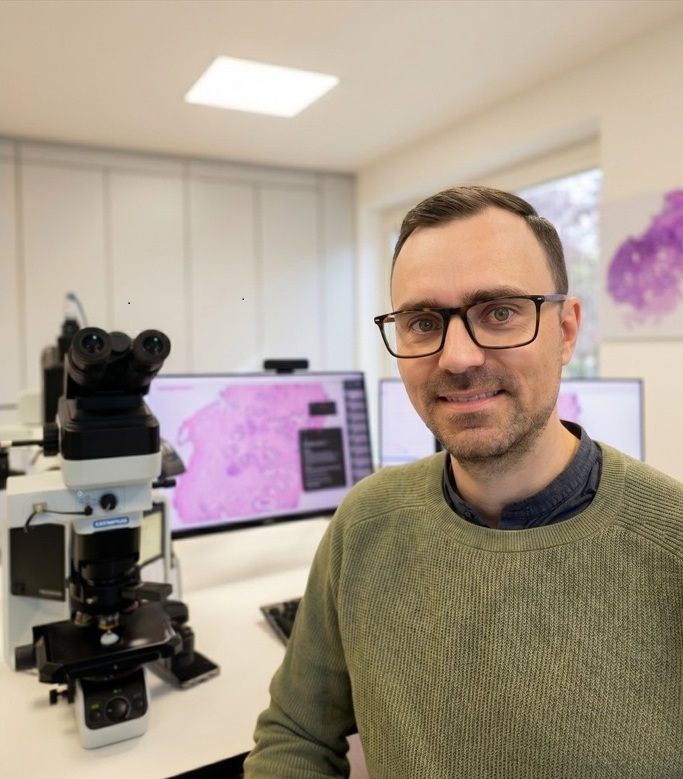
„Ich bin Mitglied der IAP geworden, weil sie aus meiner Sicht die wichtigste und zugleich prägendste Ausbildungs- und Fortbildungsplattform in der Pathologie im deutschsprachigen Raum ist. Wer sich in unserem Fach fachlich weiterentwickeln und über aktuelle Standards auf hohem Niveau austauschen möchte, kommt an der IAP kaum vorbei.“ (PD Dr. Martin Braun)
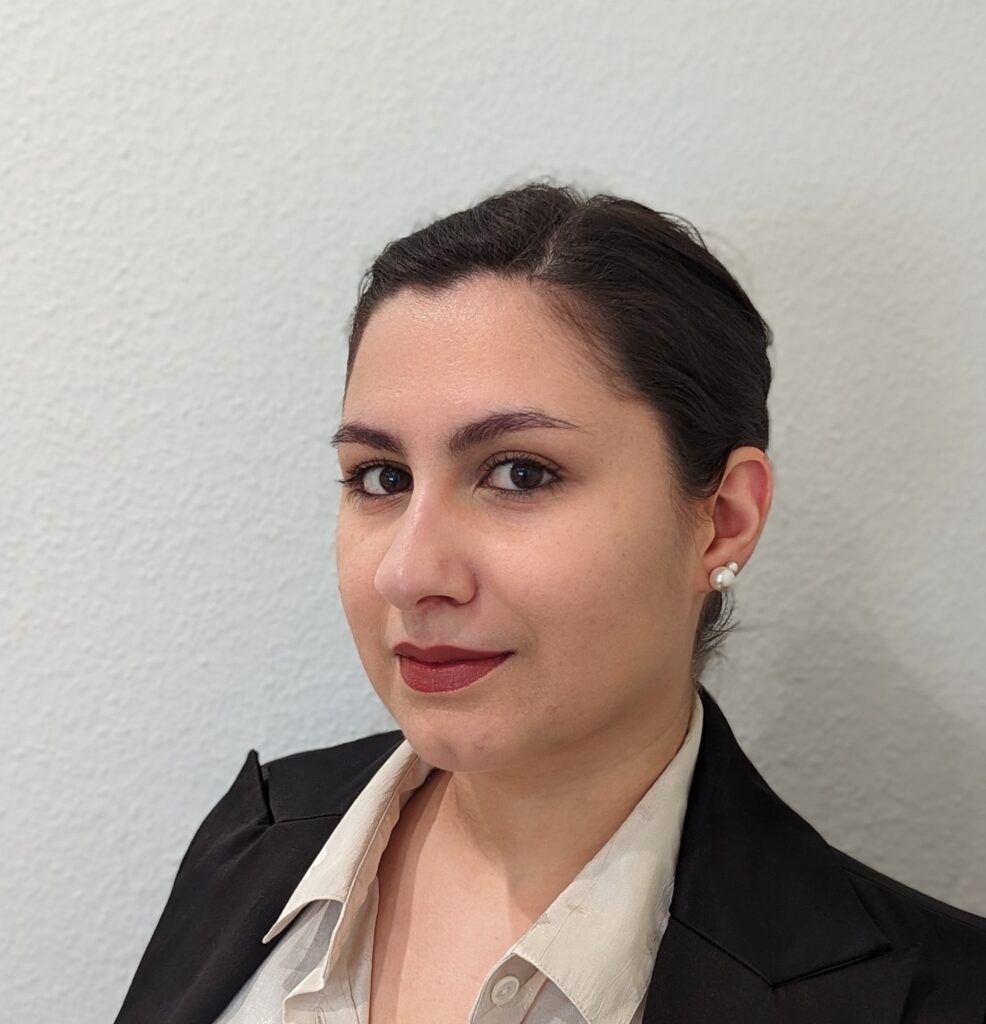
„Die Internationale Akademie für Pathologie steht für eine hochwertige, standardisierte und kontinuierlich aktualisierte Ausbildung. Für mich als junge Assistenzärztin ist sie eine wertvolle Plattform. So kann ich mein Wissen aufbauen, vertiefen und mich fachlich weiterentwickeln. Nicht zuletzt schätze ich den nationalen und internationalen Austausch mit engagierten Kolleginnen und Kollegen.“ (Rita Vesce)